
Managing a Truck Accident Claim Without Legal Assistance: Is It Recommended?
Share

View the latest digital editions of all of our publications or head straight to the archives

Share
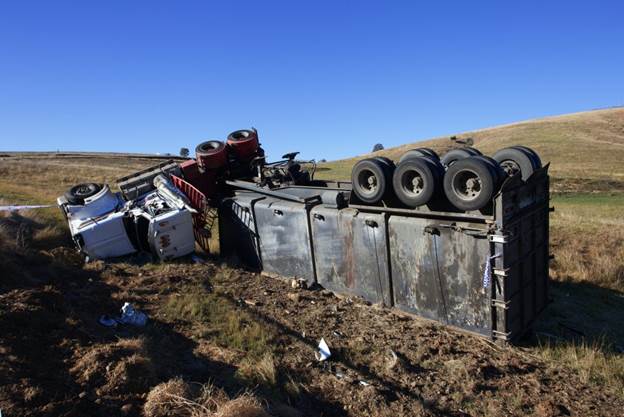
Wilmington, a bustling port city in New Hanover County, North Carolina, is known for its vibrant waterfront and historic charm. Accidents involving large vehicles are common, with numerous trucks transporting goods through the city.
If you’ve been involved in a truck accident, you might wonder whether handling the claim alone is a good idea. While it’s possible to manage without legal assistance, significant challenges exist.
Truck accidents are more complicated than vehicle accidents, and they can include several parties, such as the truck driver, the trucking company, a third party, or the truck manufacturer. Federal and state regulations, such as rules on driver hours, maintenance logs, and cargo limits, further complicate liability determination. A Wilmington truck accident lawyer at Shipman & Wright can help navigate these complexities, ensuring no crucial details are overlooked when building a strong claim.
Insurance companies are enterprises whose primary purpose is to minimize payouts. Following a truck accident, anticipate the insurer to conduct a thorough investigation, typically seeking ways to transfer blame or limit compensation. They may use statements you make against you or pressure you into accepting a low settlement.
Handling negotiations with insurance adjusters requires skill and knowledge of what your claim is truly worth. Without legal representation, you may undervalue your losses, which include medical expenditures, lost pay, and pain and suffering.
Building a strong truck accident claim requires substantial evidence. This includes police reports, witness statements, photos of the scene, and data from the truck’s electronic logging device. In Wilmington, where weather conditions like coastal storms can contribute to accidents, proving liability may also involve analyzing weather reports and road conditions.
Mistakes in collecting or preserving evidence can weaken your case. Failing to obtain the truck driver’s logbook or overlooking maintenance records could leave you at a disadvantage.
One of the most significant risks of managing a truck accident claim without legal assistance is the potential for costly errors. Missing deadlines, filing incorrect paperwork, or misunderstanding legal terms can jeopardize your claim. Trucking companies often have teams of lawyers working to protect their interests, putting you at a disadvantage if you’re unrepresented.
While hiring a lawyer isn’t mandatory, having one levels the playing field. A skilled attorney can help you navigate the legal system, negotiate with insurance, and get reasonable compensation.
Managing a truck accident claim without legal help might be feasible in rare cases. For example, if the accident was minor, liability is clear, and your injuries are minimal, you might handle the process yourself. Consulting a lawyer can help you avoid pitfalls even in these situations.
Truck accident claims are rarely straightforward, especially in a busy port city like Wilmington. While managing a claim without legal assistance is possible, the risks often outweigh the benefits. The complexities of trucking regulations, the tactics of insurance companies, and the challenges of proving liability make professional guidance invaluable.




Leave a Reply