
Jobber News Executive Outlook: Douglas Squires
Share

View the latest digital editions of all of our publications or head straight to the archives

Share
Jobber News reached out to leaders in the supply and distribution segment of the automotive aftermarket and asked them what they see happening in the industry over the next 12 months, how the segment can leverage technology, lasting impacts, lessons learned from last year and where success will be found in 2026. We will present their answers in alphabetical order over the coming weeks…
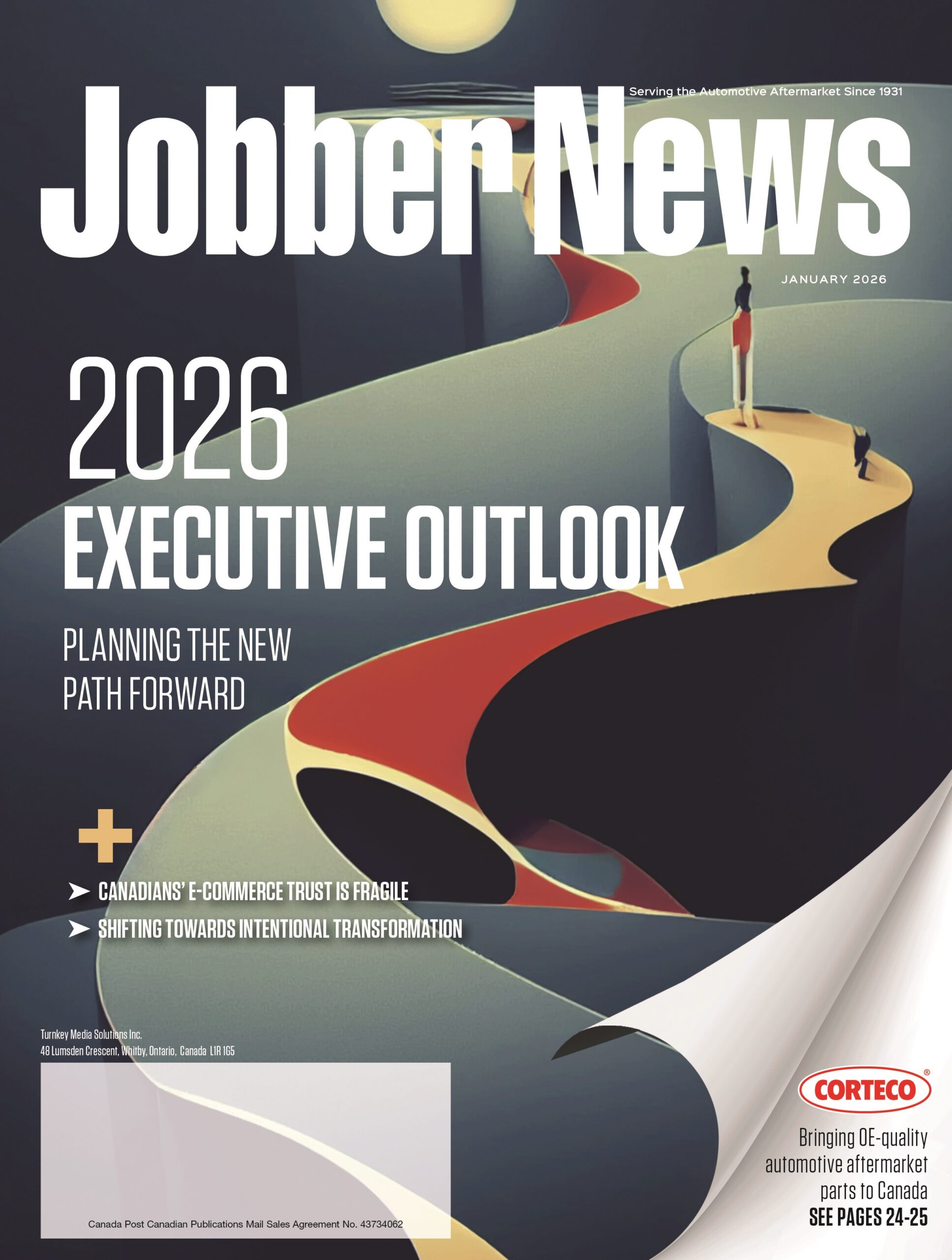
You can view the full feature in our January 2026 issue.
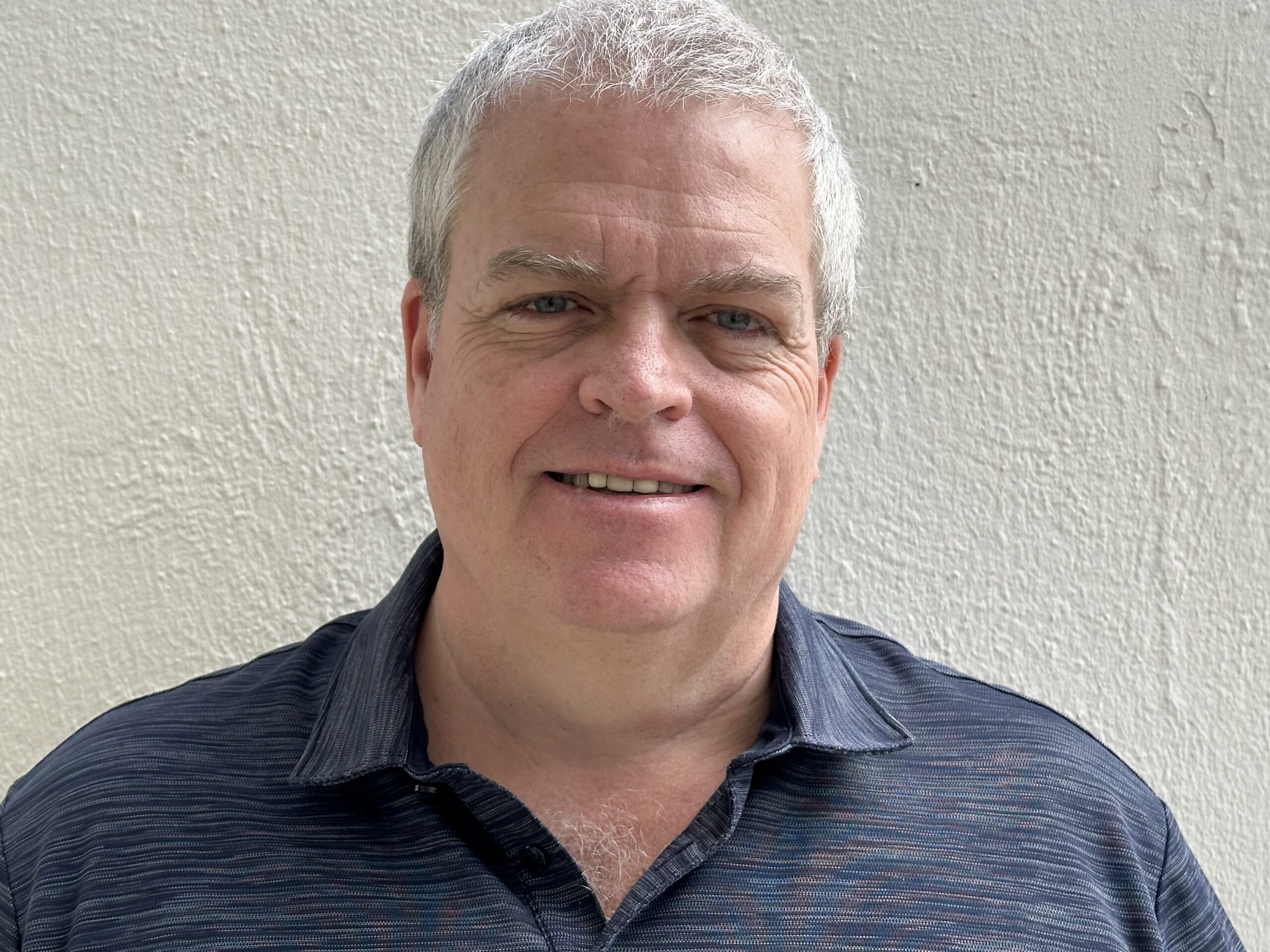
Douglas Squires, President, CEO | Colonial Group
Inventory modelling is one of the biggest impacts that technology can have on costs and times. Historical forecasting models can struggle with things like SKU proliferation, future demand for SKUs and more. Predictive technology can factor in things like weather patterns, vehicle registrations, more accurate car parc data and many other data sets, which can focus inventory dollars on the right SKUs.
Predicative technology can also partially factor in supplier reliability and adjust stocking levels to mitigate risks with lead times, fill rate changes and other factors to reduce the risk of stockouts. Predictive technology can identify trends before they become visually apparent, providing more proactive decisions.
If the pandemic wasn’t enough proof to diversify supply chain sourcing partners, then the U.S. administration’s actions in 2025 certainly were. After regaining some supply chain normalcy post-pandemic, tariffs once again brought the industry’s supply chain into disarray. Companies that focused on diversifying their supply chain had a better opportunity to react quickly and mitigate costs. Those that did not were stuck scrambling.
2025 also proved the risks inherent with increased industry consolidation, especially on the supplier side. While there are benefits in consolidating business into fewer suppliers, the industry saw the negative side of this as major issues in one company had a much larger impact. Diversified supply chains and strong relations can mitigate these risks. Companies will find success in 2026 by continuing to optimize supply chains and inventory to ensure they have the right part on the shelf. Focusing on retaining and cultivating staff knowledge will also be important as industry veterans age out and new, experienced staff enter.







Leave a Reply