

From Awareness to Action: How Radar Speed Signs Improve Driver Behavior
Share

View the latest digital editions of all of our publications or head straight to the archives

Share
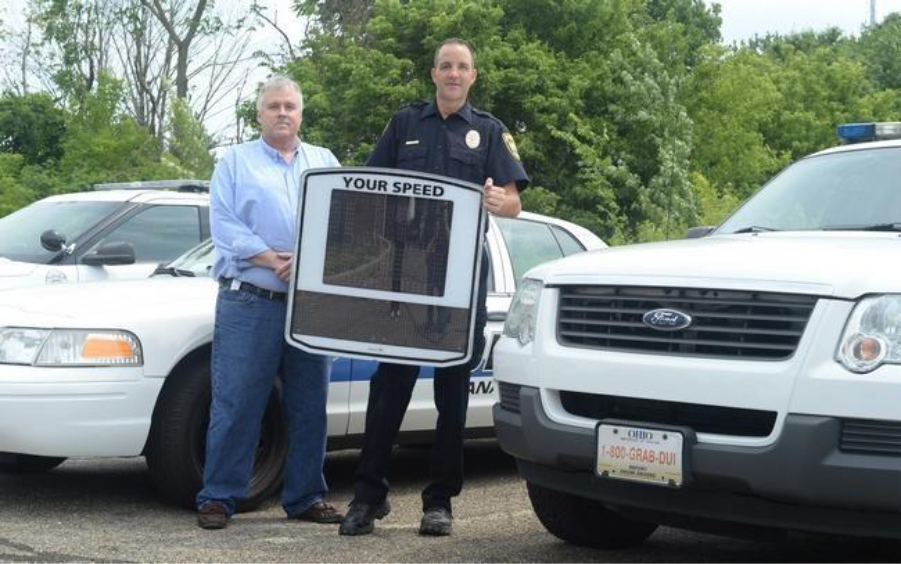
Radar speed signs have gained popularity recently as an integral tool in promoting safer road use. They influence driver habits on the road and dictate how they react to their speed. Installing these devices give drivers instant feedback and helps them turn their awareness into a behavioural shift. Keep reading to learn about the mechanics of radar speed signs and their role in improving driver conduct.
Visual feedback is one of the best and most effective ways to encourage drivers to practice safer driving behaviours. For instance, a radar speed sign can accurately detect, measure and display the speed of any approaching vehicle in real time. The driver will be aware of the speed and can adjust according to the current road conditions. Often, most drivers tend to take their foot off the pedal once they realise their actual speed is more than the posted limit. This immediate awareness can turn into subconscious behavioural change. Whether these signs are installed in busy intersections, freeways, school zones or residential areas, they serve more than just as a reminder but also for compliance and community safety.
On top of giving instant responses, these signs play an essential role in changing driver conduct on the road. This is a non-punitive approach in terms of speed management, which, in turn, promotes voluntary compliance and reduces over-reliance on enforcement. Radar signs are versatile, making them suitable for different road environments, from major urban roads to small rural routes. In a society where road safety is not always 100% guaranteed, observing and acting on radar signs is the simplest and powerful way to build responsible driving tendencies and minimise accidents.
These signs are crucial in building a mindful and safer driving culture. Radar Speed signs work by educating and not penalising, leading to long-term driving improvement.
Exposing drivers to radar speed signs can foster attentiveness on the road and among other road users. Constant encounters with speed signs make drivers more aware of their surroundings, even in sections with no signs. This kind of awareness conditions drivers to engage less in risky speeding attitudes and build mutual respect on the road.
These signs work through empowering drivers to self-correct, unlike conventional enforcement approaches. Drivers, unaware of their speed, will slow down when they see their speed displayed, especially when they are beyond the set limit. The feedback is instant, building a sense of accountability, which encourages the driver to act voluntarily rather than out of fear of fines.
These signs can be used in multiple road settings. Regardless of where they are used, from entrance roads to campuses and school zones to residential streets and construction areas, they help build the culture of speed awareness. For example, drivers driving above the speed limit when entering a campus tend to slow down, making them adaptive when approaching smaller community roads.
Radar signs play a vital role in shaping careful driving habits through self-correction and awareness. Reminding drivers and other road users of speed in real time inspires responsible road use and mindfulness. As the fight to have practical ways to create safer roads and reduce accidents continues, radar speed signage remains a viable tool worldwide.
Leave a Reply