CARS 2026 Executive Outlook: Costa Haitas
Share

View the latest digital editions of all of our publications or head straight to the archives

Share

CARS reached out to leaders in the automotive repair and service sector of the automotive aftermarket to ask them about their thoughts about the industry over the next 12 months: How will this year be different, what will drive change and what will be the biggest challenge. We will present their answers in alphabetical order over the coming weeks…
You can view the full feature in the February 2026 issue.
Costa Haitas, President | The Mufflerman
As vehicles rapidly evolve, it is imperative for shop leaders to keep pace. This involves equipping our facilities to handle the latest vehicle technologies and ensuring we have the right diagnostic tools for precise servicing. However, training remains the true cornerstone. Having confident, up-to-date teams is essential; equipment alone won’t suffice. Clear processes, organized and clean shops and consistent workflows across locations are crucial for maintaining profitability.
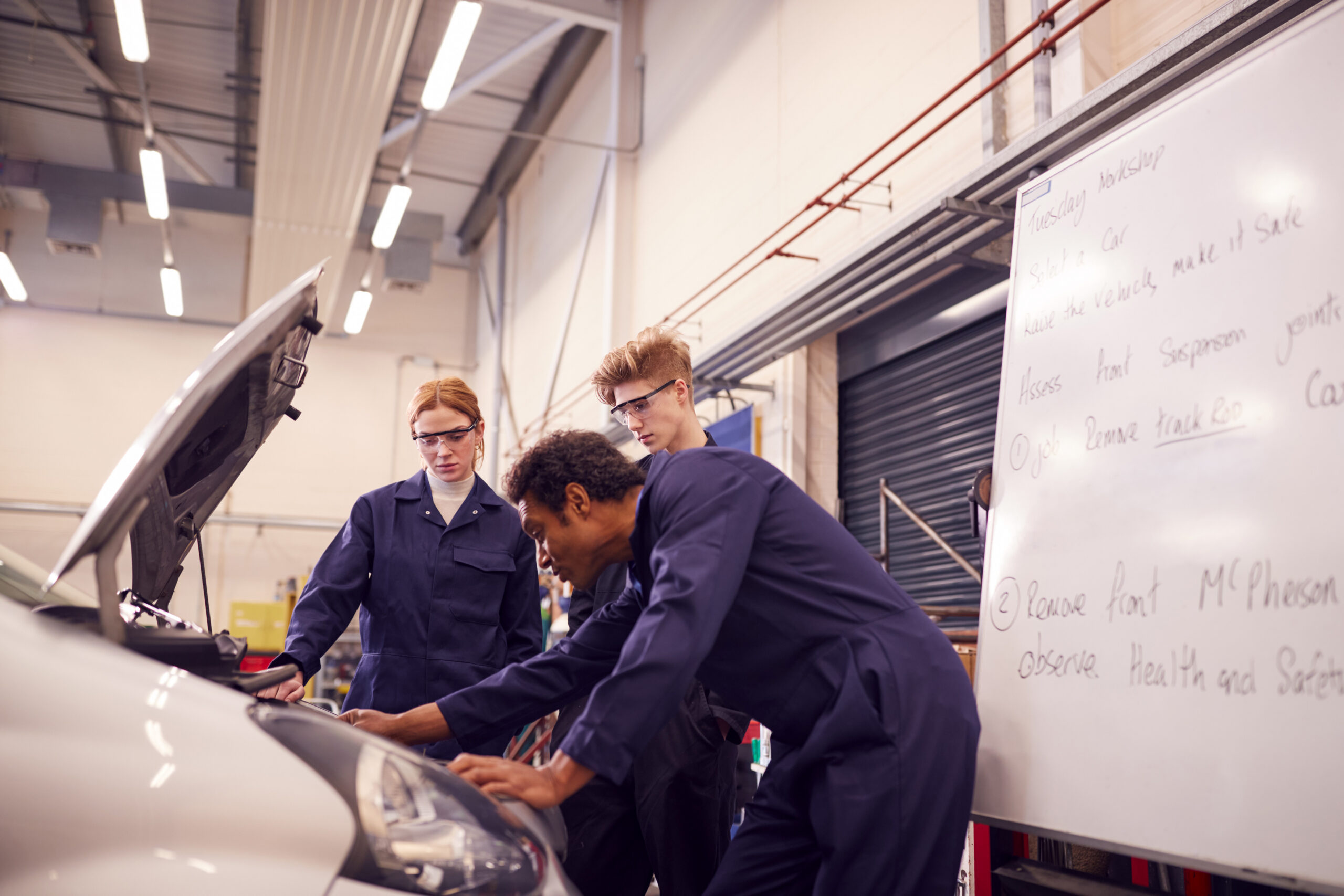
To attract and retain top talent, partnerships with schools, stronger apprenticeship pathways and mentorship programs that truly develop technicians are necessary. Younger workers seek structure, coaching and a clean, professional environment. Retention increases when employees see a future with defined roles, advancement opportunities and leadership that invests in their growth. While compensation is crucial, culture, communication, and training are equally important.
The most significant challenge in 2026 will continue to be the technician shortage as technology outpaces the labour pipeline. This challenge also presents the greatest opportunity. Shops that embrace technology, modernize processes and build robust training programs will distinguish themselves from the competition. Those who invest early in tools, people, and culture will be the ones to thrive, even as the industry becomes increasingly complex.





Leave a Reply