


Are Side Steps Worth It on Lifted 4WDs?
Share

View the latest digital editions of all of our publications or head straight to the archives

Share
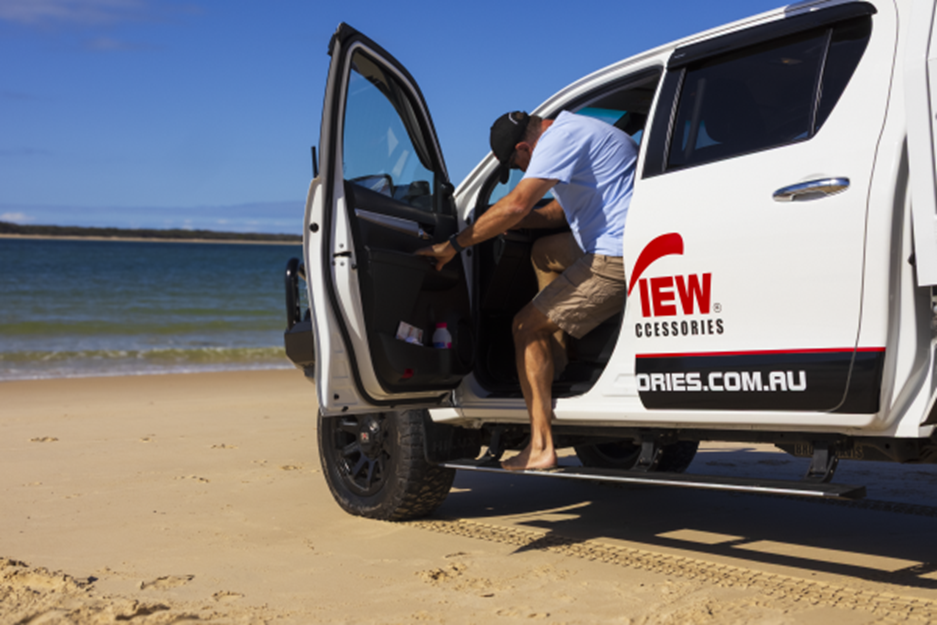
Lifting a 4WD has clear benefits. Better ground clearance, improved approach and departure angles, and the ability to run larger tyres all add up to a more capable vehicle off-road. But once the suspension goes up, everyday access becomes noticeably harder. This is where practical side steps come into the conversation.
Some drivers swear by them, while others remove them as soon as the lift goes on. So are side steps actually worth fitting on a lifted 4WD, or are they just extra weight hanging off the sides? The answer depends on how you use your vehicle, who rides in it, and what type of side steps you choose.
The most obvious advantage of side steps is easier access. A lifted 4WD can be challenging to climb into, especially if the suspension lift is combined with larger tyres.
Side steps reduce the step height and make entry and exit far more comfortable. This matters even more if your vehicle is a daily driver or if passengers include kids, shorter adults, or older family members. Repeatedly climbing in and out of a tall vehicle without assistance can quickly become tiring.
Side steps also make roof access easier. If you regularly use a roof rack, awning, or rooftop tent, having a stable step can make loading and unloading safer and more controlled.
Safety is often overlooked when discussing side steps, but it is one of their strongest arguments. Slipping while getting in or out of a lifted 4WD is a real risk, particularly in wet, muddy, or dusty conditions.
Side steps provide a defined, non-slip surface that reduces the chance of losing footing. This is especially useful when wearing work boots, thongs, or muddy trail shoes. For families or touring setups, that added stability can make a noticeable difference.
One of the main criticisms of side steps is reduced clearance. On technical tracks, side steps can catch on rocks, ruts, or ledges, potentially causing damage or limiting wheel placement.
This is where the type of side steps becomes critical. Lightweight, low-mounted steps designed purely for street use are more likely to be a liability off-road. They can bend easily and may even cause panel damage if they snag on obstacles.
However, properly designed off-road side steps often double as rock sliders. These are built from heavy-duty steel and mounted to the chassis rather than the body. In this case, side steps can actually protect sills and doors from damage rather than create new problems.
Every accessory added to a 4WD contributes to overall weight. Side steps are no exception. Heavier steel designs can add a noticeable amount of mass, which affects fuel consumption and suspension performance.
On a lifted vehicle that is already carrying accessories like bull bars, winches, drawer systems, and spare fuel, weight management becomes important. Aluminium or well-engineered steel side steps can strike a balance between strength and weight, but it is still something to factor into your setup.
How you use your 4WD is one of the biggest deciding factors.
If the vehicle is a daily driver that occasionally sees off-road tracks, side steps are often worth it. The convenience and safety benefits in everyday use usually outweigh the occasional clearance compromise.
If the vehicle is a dedicated off-road build used primarily for technical terrain, many drivers choose to skip side steps entirely or opt for high-clearance rock sliders only. In these cases, ease of access is less important than maximum clearance and breakover capability.
Powered or electric side steps are becoming increasingly popular on modern 4WDs. These automatically deploy when the door opens and retract when closed, offering the best of both worlds for some drivers.
On lifted vehicles, powered side steps can improve access without permanently reducing clearance. However, they add complexity, cost, and additional components that can be vulnerable to water, dust, or impact damage if not well protected.
They are best suited to touring or urban-focused builds rather than harsh off-road environments.
If you travel with passengers regularly, side steps can dramatically improve comfort. Constantly climbing into a tall cabin without assistance can be frustrating on long trips, especially when stopping frequently.
From a touring perspective, side steps also make life easier around camp. Getting in and out of the vehicle while setting up, cooking, or packing becomes less of a chore, which adds up over days or weeks on the road.
So, are side steps worth it on lifted 4WDs? In most cases, yes, provided you choose the right type for your driving style.
For daily drivers, tourers, and family vehicles, side steps improve access, safety, and overall usability. For hardcore off-road builds, high-clearance or rock slider-style options are a better choice than lightweight steps.
Like most 4WD accessories, the key is matching the product to how the vehicle is actually used, not just how it looks.
Leave a Reply