

3 Car Insurance Checks That Help You Feel More Prepared for Repairs
Share

View the latest digital editions of all of our publications or head straight to the archives

Share
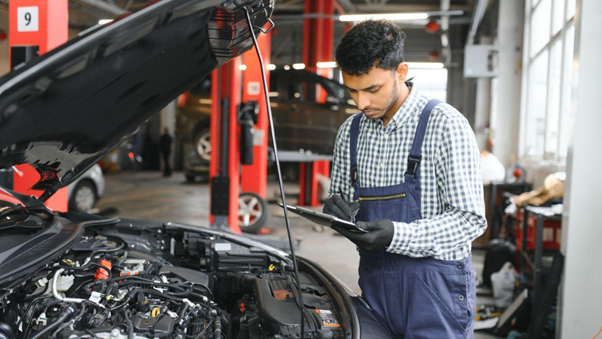
Unexpected vehicle repairs may put significant strain on your finances and can severely interrupt your daily routines. Regular servicing can reduce the risk of mechanical malfunction of your vehicle. Another way to be prepared for unforeseen repairs is to review your car insurance policy at regular intervals.
This blog highlights three important checks you should carry out on your motor insurance policy, in order to ensure you have the right coverage when it’s needed.
1. Reviewing Your Coverage Types
The first step is to identify the type of car insurance coverage you have. Each of them responds to specific scenarios, and knowing them allows you to take the right steps. Some of the common motor coverage is as follows:
While reviewing your policy, pay attention to the following aspects:
2. Checking Your Voluntary Deductible or Additional Deductible
The deductible amount represents the cost you bear if there is an accident, after which the insurer takes care of the remaining bills. If your deductible is set at a higher amount, your motor insurance premium may be reduced. However, you’ll have to pay a significant amount when making the claim. On the other hand, if your deductibles are low, it may provide an extended financial cushion during unforeseen circumstances but may increase the overall premium.
Making adjustments for your deductibles allows you to set the right amount that you can comfortably pay as a premium, as well as at the time of making claims. To identify the right amount for both scenarios, here’s what you need to evaluate:
Finding out these factors can assist you with aligning your car insurance policy with your financial comfort.
3. Confirming The Repair Process
Familiarity with your car’s repair process and its associated costs can make you more informed about taking the right steps at the time of making a claim.
Here’s what you need to know for a smoother vehicle repair and claims process:
a. Approved Repair Network
Most of the insurers have a network of garages through which they provide better servicing for your vehicle. In case of cashless claims, the insurer directly pays the required amount for your vehicle repairs. In case of reimbursement claims, you pay the amount, and the insurer reimburses you. Determine whether their list of garages includes your neighbourhood’s repair shops.
b. Claims Process
Many insurers allow making claims through their mobile apps or provide call and email facilities. You can simply check your insurer’s car insurance claim process by visiting their website or through your policy documents.
c. Roadside Assistance
Check whether the roadside assistance services are available with the insurer. In most insurance policies, the roadside assistance cover is provided as an add-on*, which you can opt for along with your own damage cover or comprehensive motor insurance plan. With roadside assistance, you can get towing services, flat tyre assistance, fuel delivery, and battery jumpstart assistance, amongst other things.
Final Thoughts
A complete insight into your coverage types, deductibles, and the insured vehicle repair process helps you take the right steps at the time of making a claim. It helps you choose the right insurer who provides roadside assistance or whose network of garages includes your nearby car workshop. A cross-examination of these factors lets you make a smoother claim and get your car repaired as early as possible.
*Add-ons are subject to payment of an additional premium.
The above information is for educational purposes only. For more details on the risk factor, terms and conditions, please refer to the Sales Brochure and Policy Wordings carefully before concluding a sale.
Leave a Reply